
Holiday Vacancy
PAV living room
Summer School — Ephemeral Agents
2026
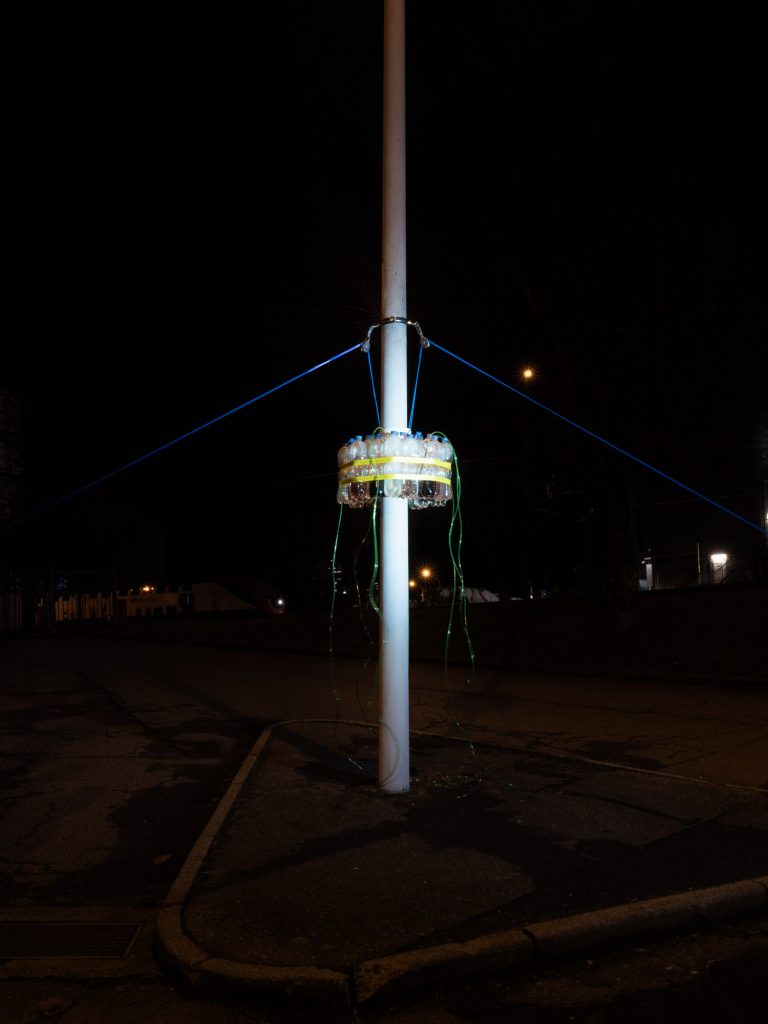
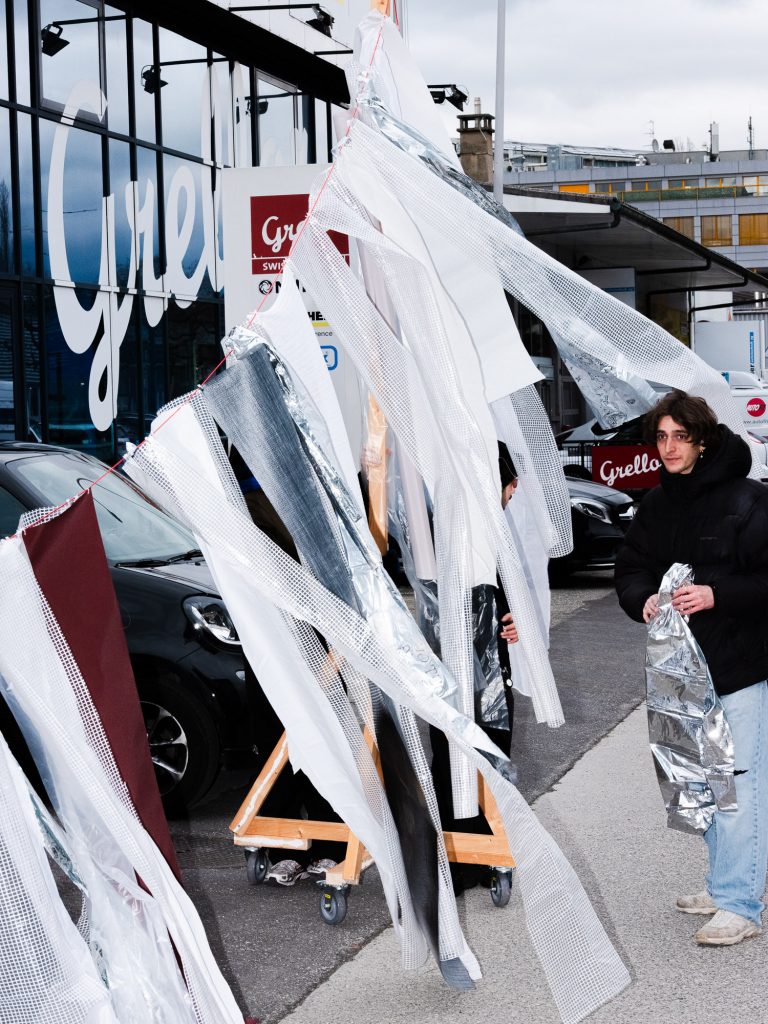
The workshop proposes research through action as a way to engage with existing situations and activate their latent qualities. Through on-site interventions, participants will work with the material, social, political and historical conditions of a territory, understood as dynamic and evolving resources.
Rather than constructing a singular vision, the process is based on partial gestures, fragments and subjective readings. These positions, when confronted with one another and with the site, generate more complex and layered understandings of the territory.
The workshop approaches space as a “living room”: a shared environment where situations are hosted, negotiated and continuously redefined. Activation occurs both through making spaces accessible and through leaving them open to interpretation, enabling multiple uses, temporalities and narratives to coexist.
Focusing on the school as a site of intervention, the workshop explores it as an everyday public architecture with untapped potential. Through collective work and 1:1 experimentation, participants will develop interventions that respond to moments of vacancy, propose alternative narratives and reconfigure existing uses.



PAV living room
PAV living room is an association founded in 2023 by collectif vendredi (Blerta Axhija and Nina Guyot), later joined by Marine Evrard. Trained as architects, the team works across architecture, urban planning and curatorial practice, developing a multidisciplinary approach that critically engages with the transformation of urban territories.
Their work is primarily developed through the PAV living room project in Geneva, which investigates transition as a permanent condition of the territory and explores new contemporary urban tools emerging from it. This research takes the form of experimental formats, mainly in-situ interventions, focusing on process, action and appropriation as drivers for spatial transformation. Their approach is attentive to existing conditions—both urban and domestic—while generating new narratives around the built environment.
Alongside their practice, they are actively involved in teaching through workshops and academic collaborations, and have participated in juries at institutions such as HEAD–Geneva, EPFL, ETH and ENSA Versailles. In 2025, they were awarded the Swiss FAS Prize.
With the support of
