A Third of life
Suomi-Koivisto & IC-98
Calle Marqués de San Nicolás
2025 – 2026
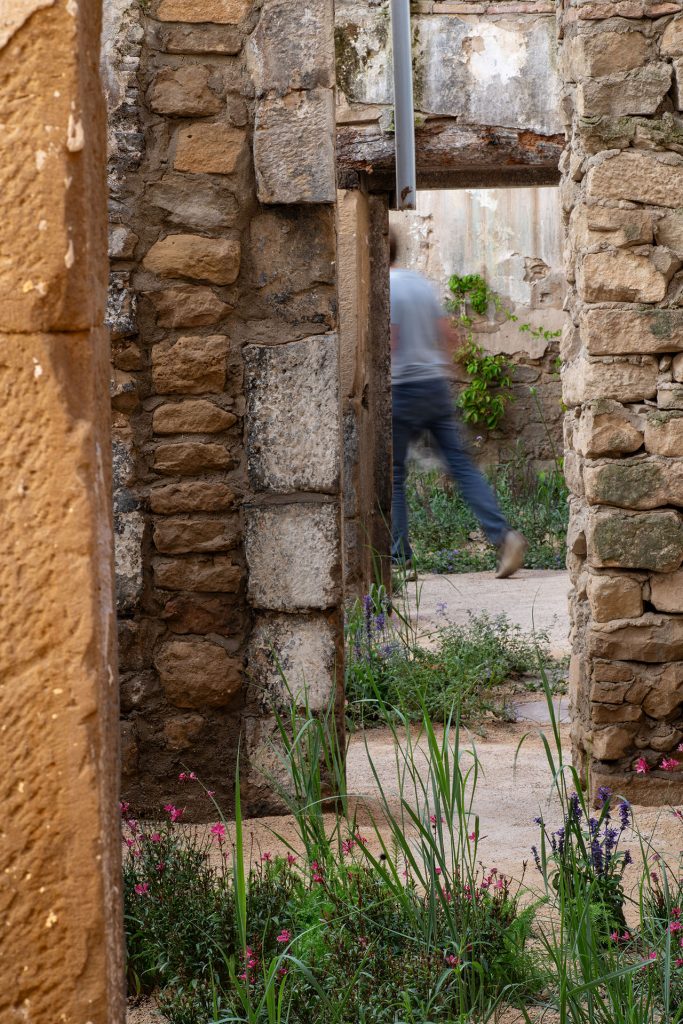
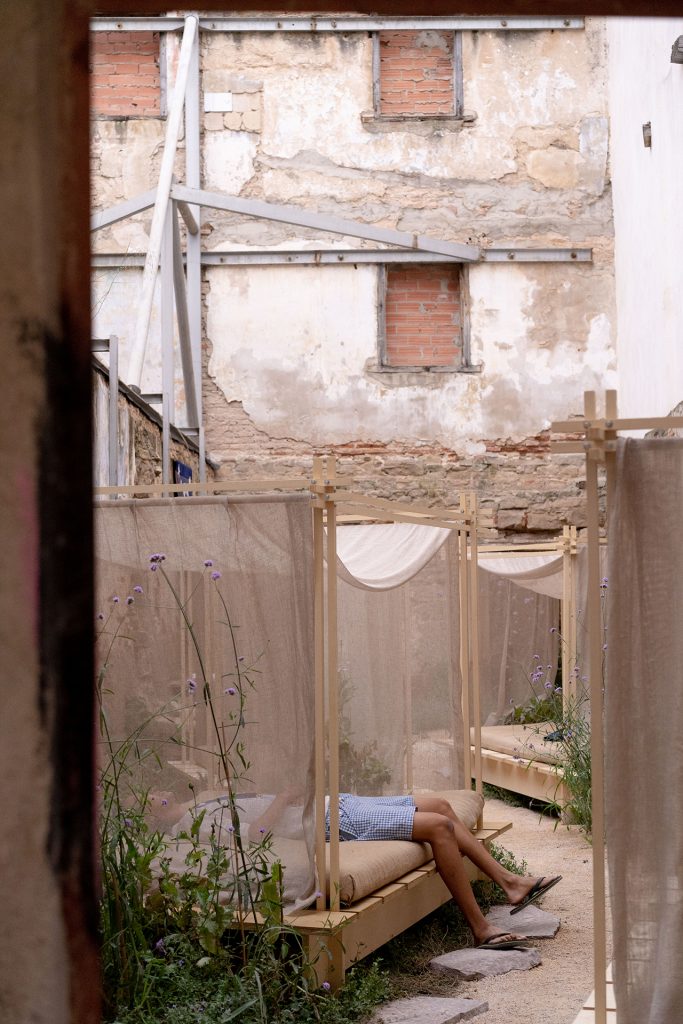
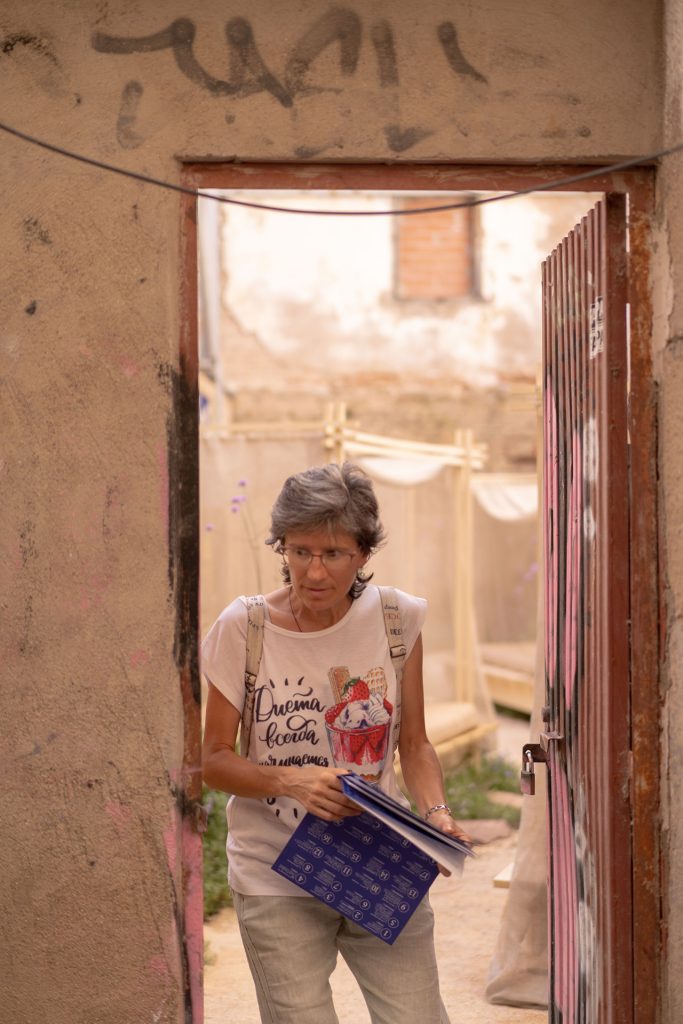
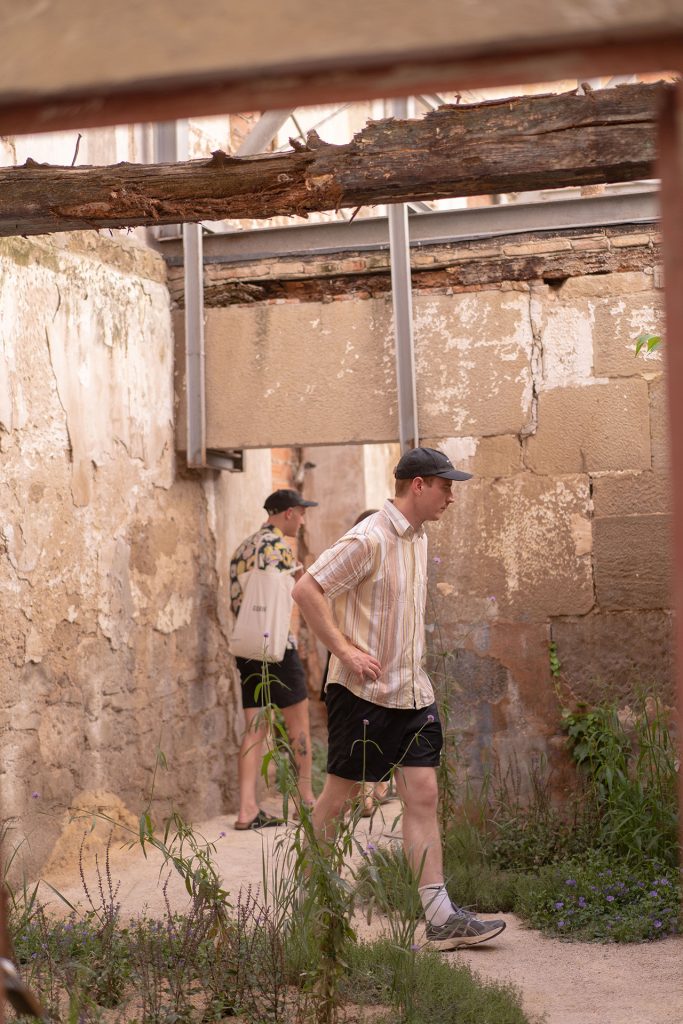
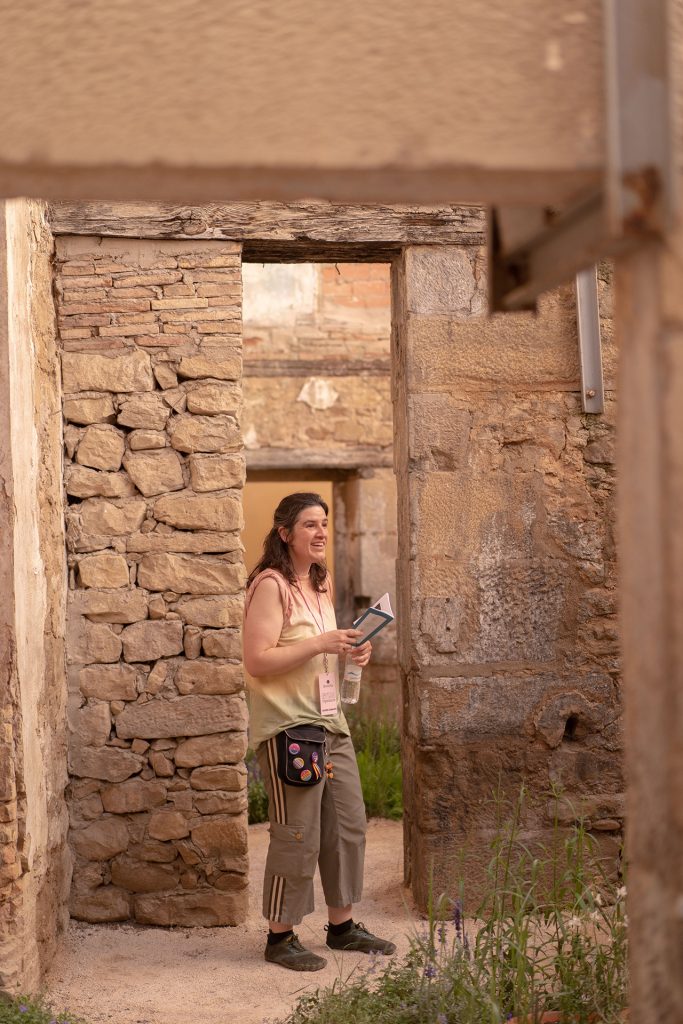
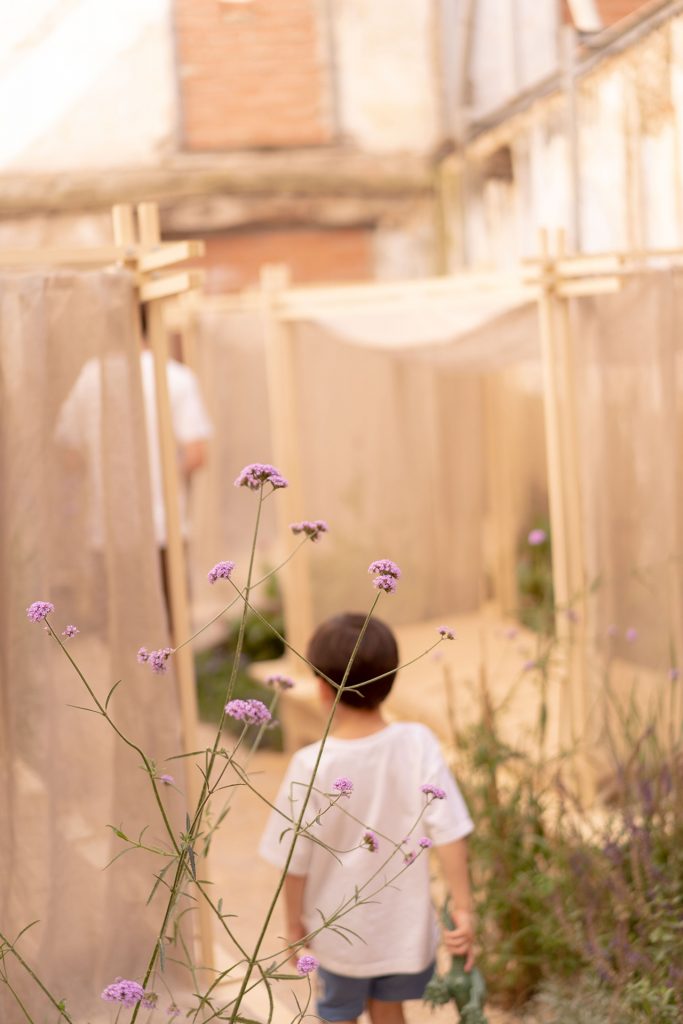
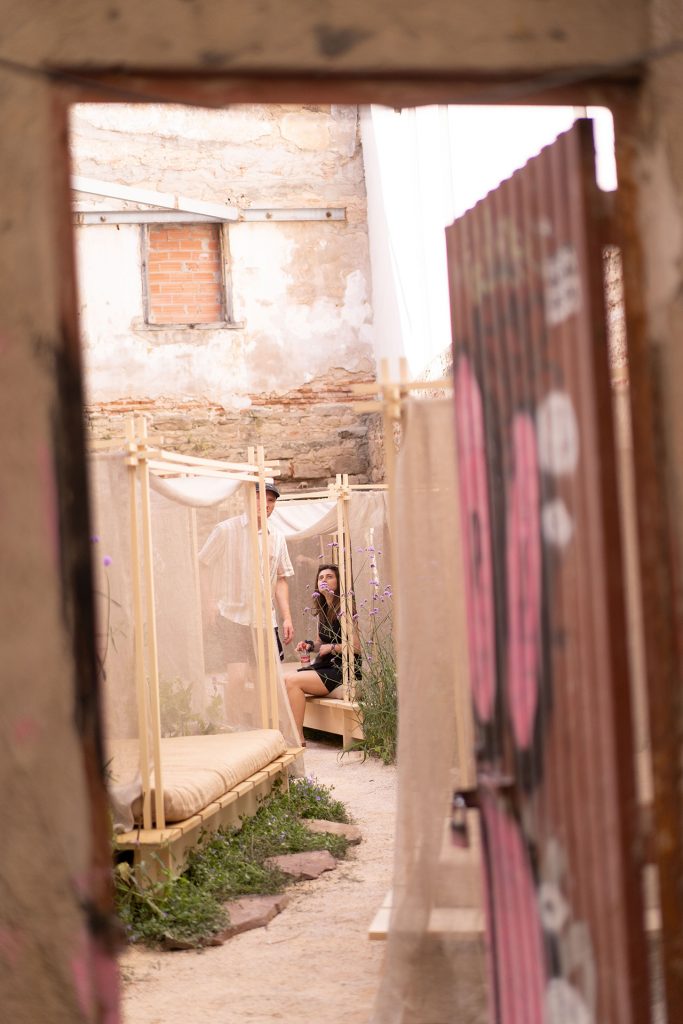
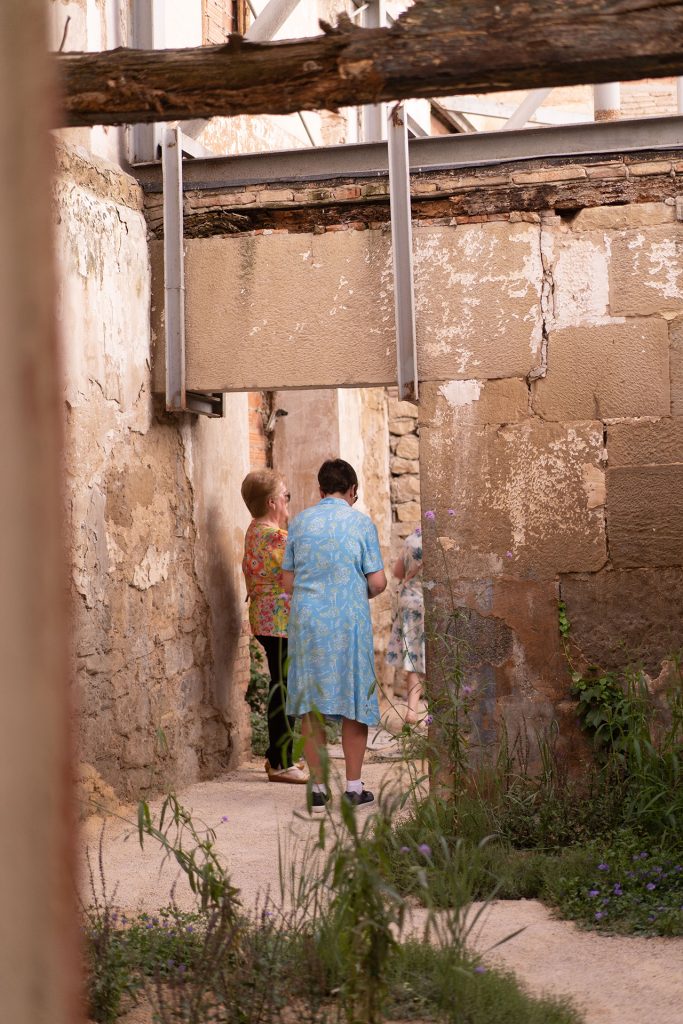
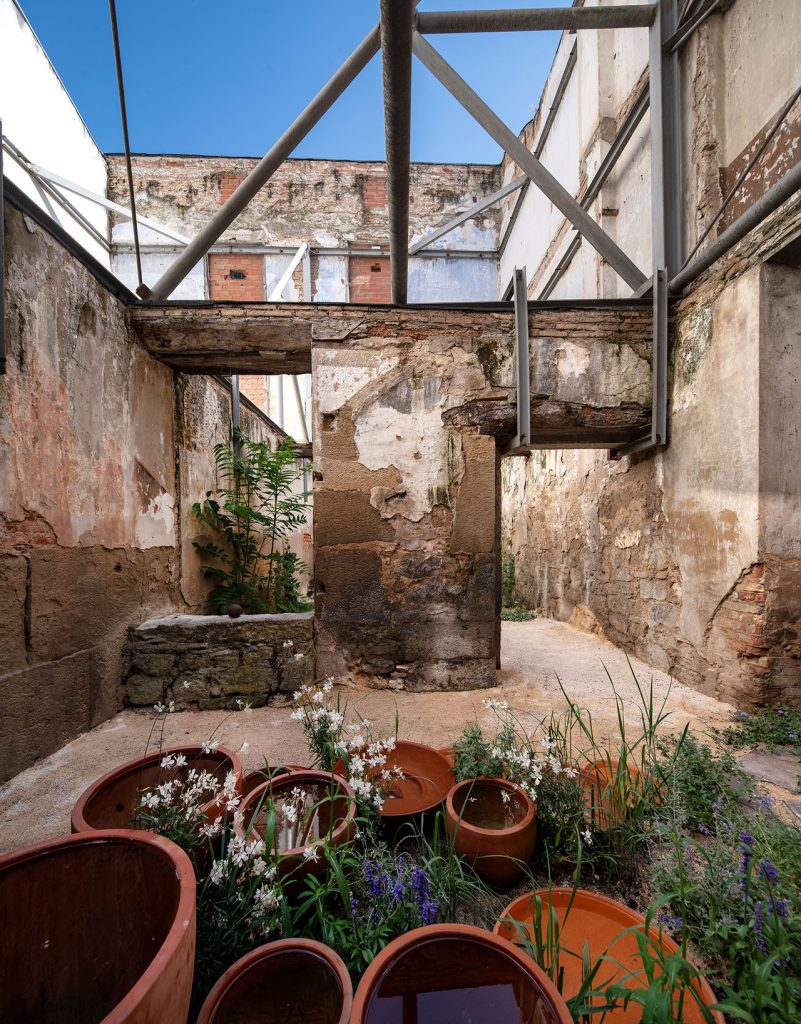
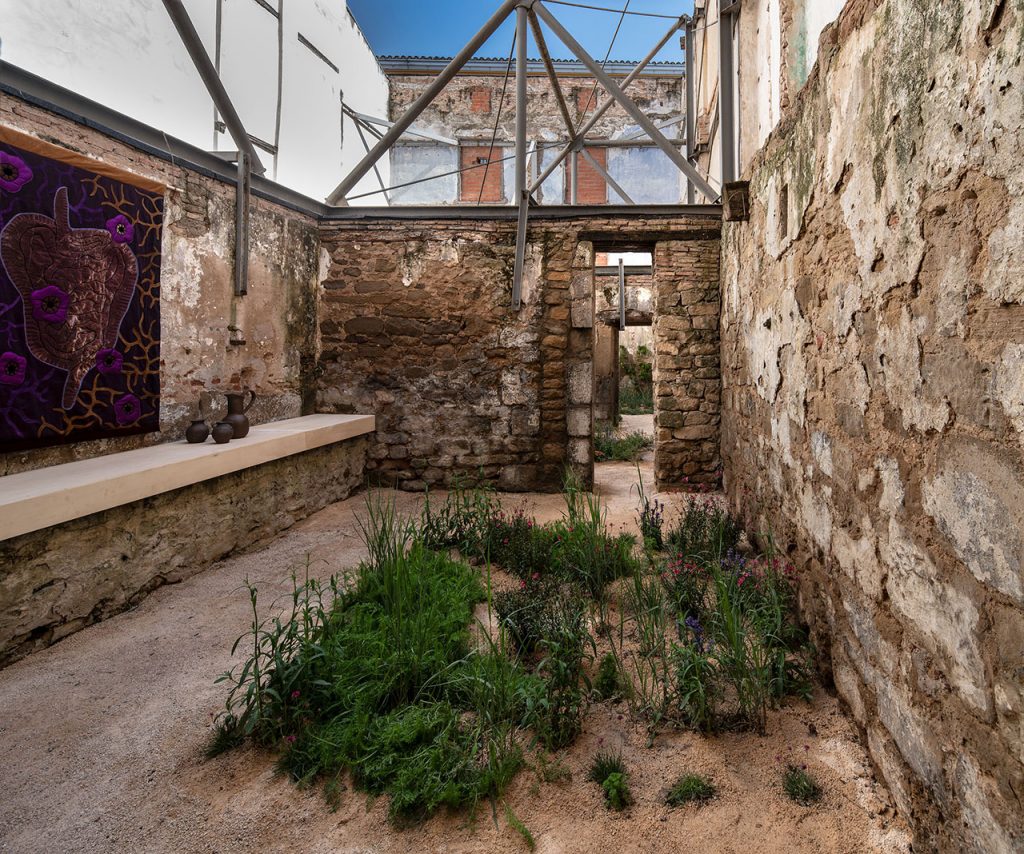
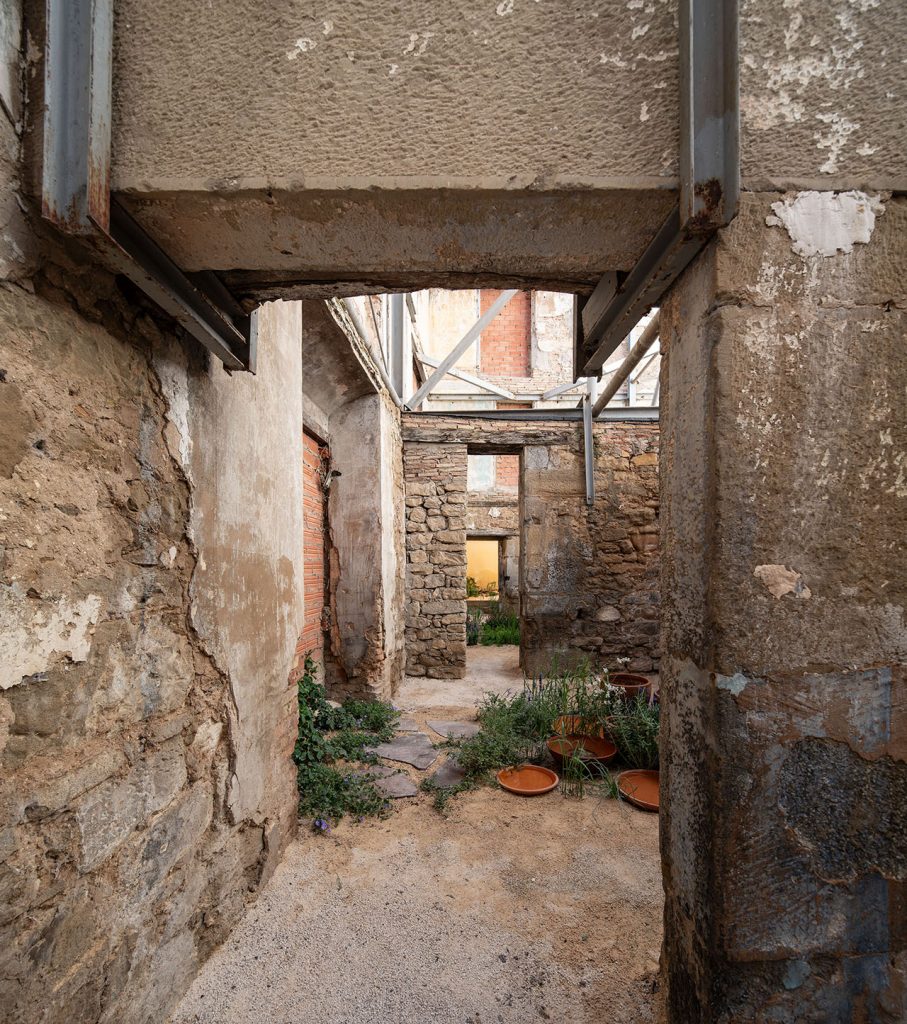
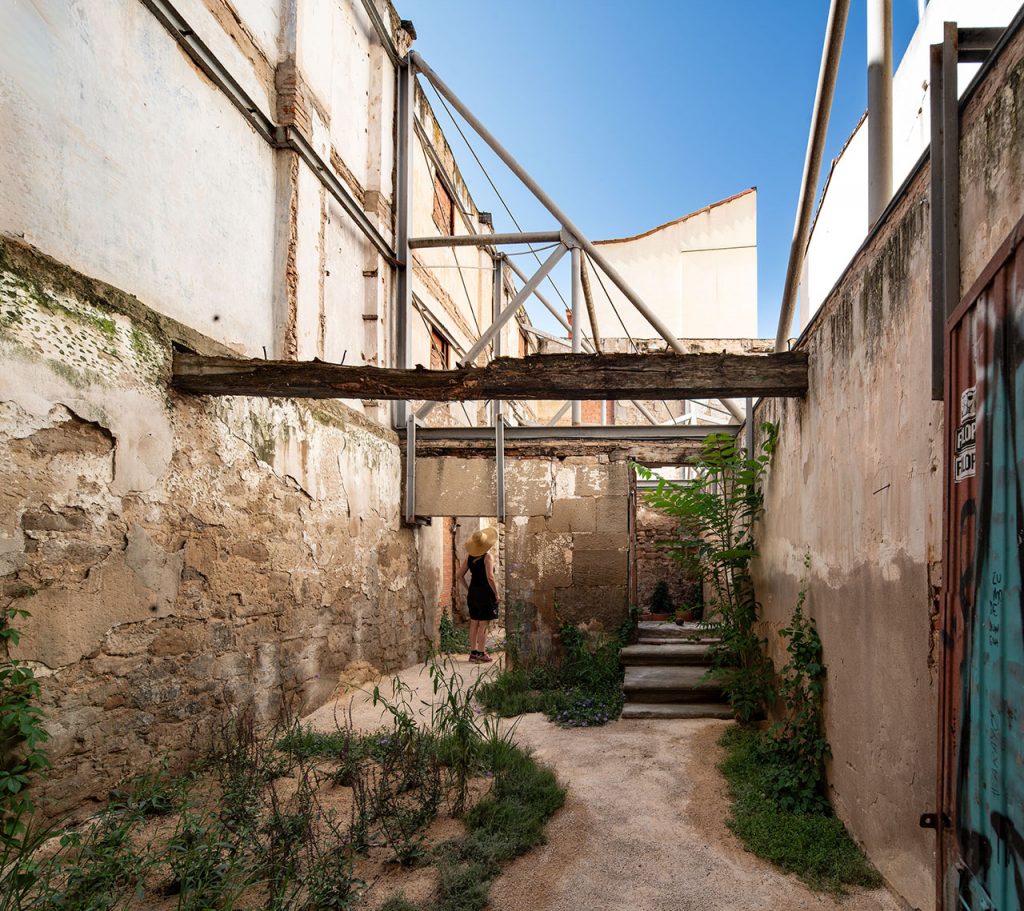
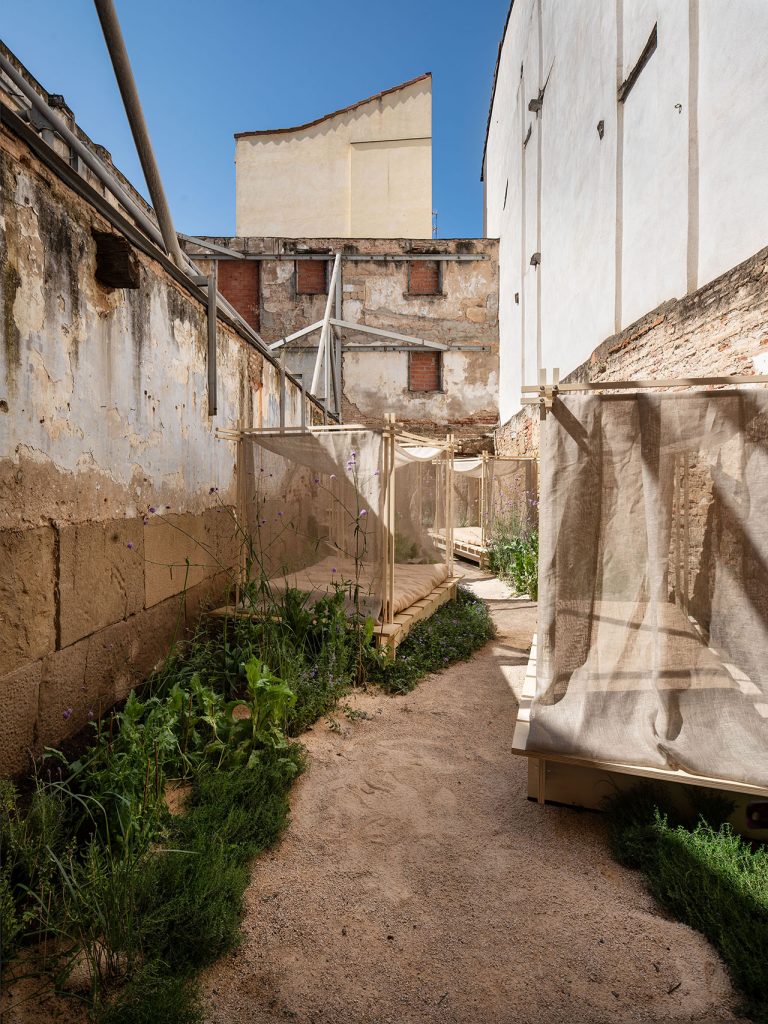
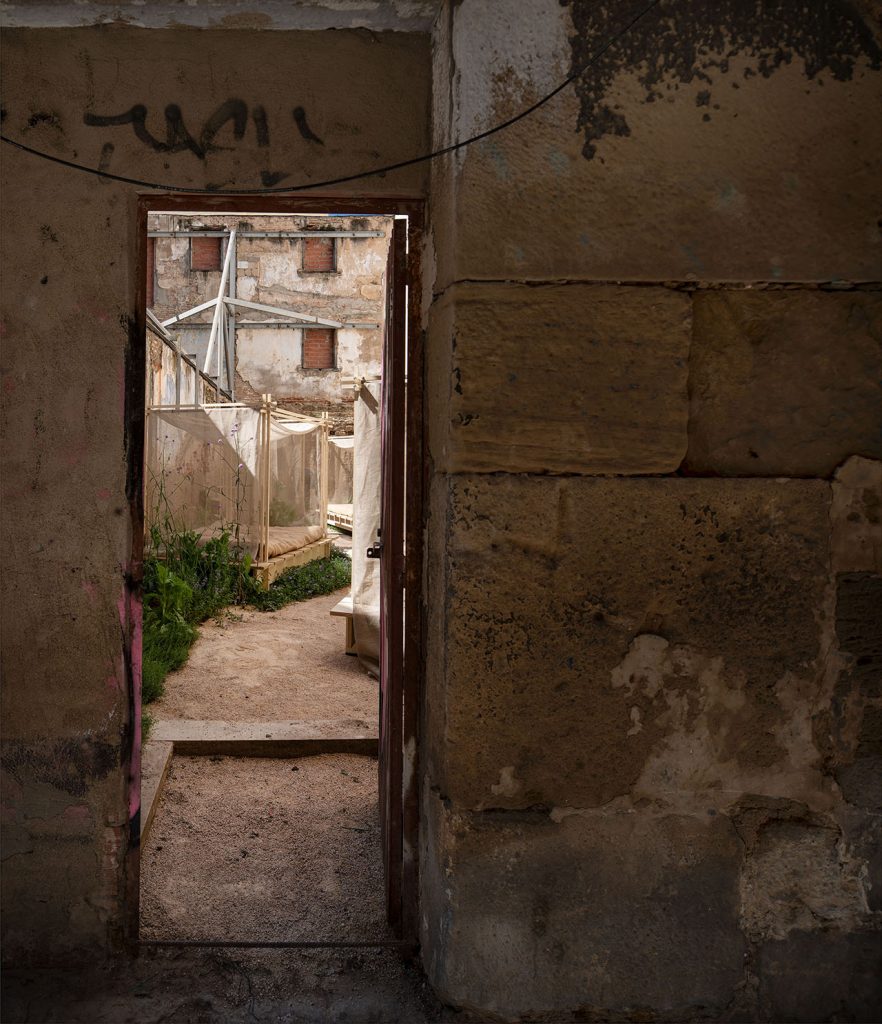
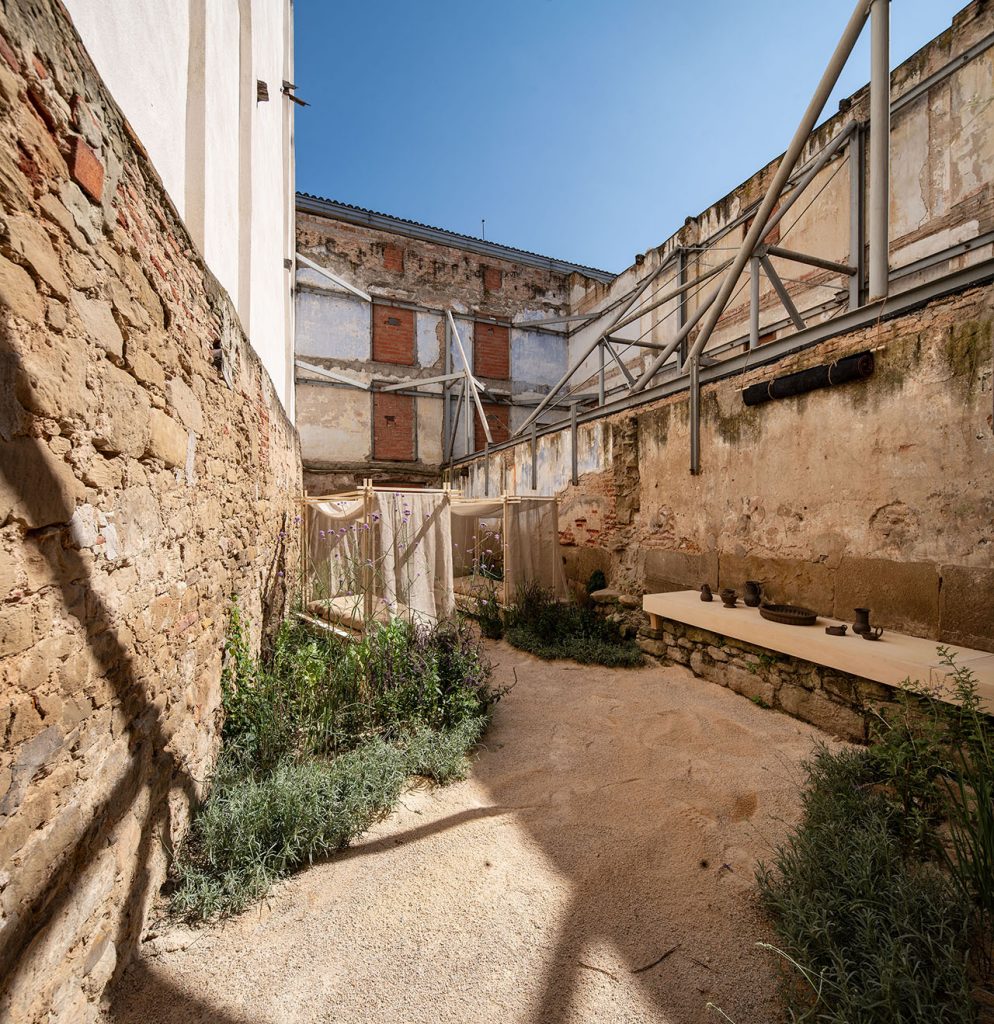
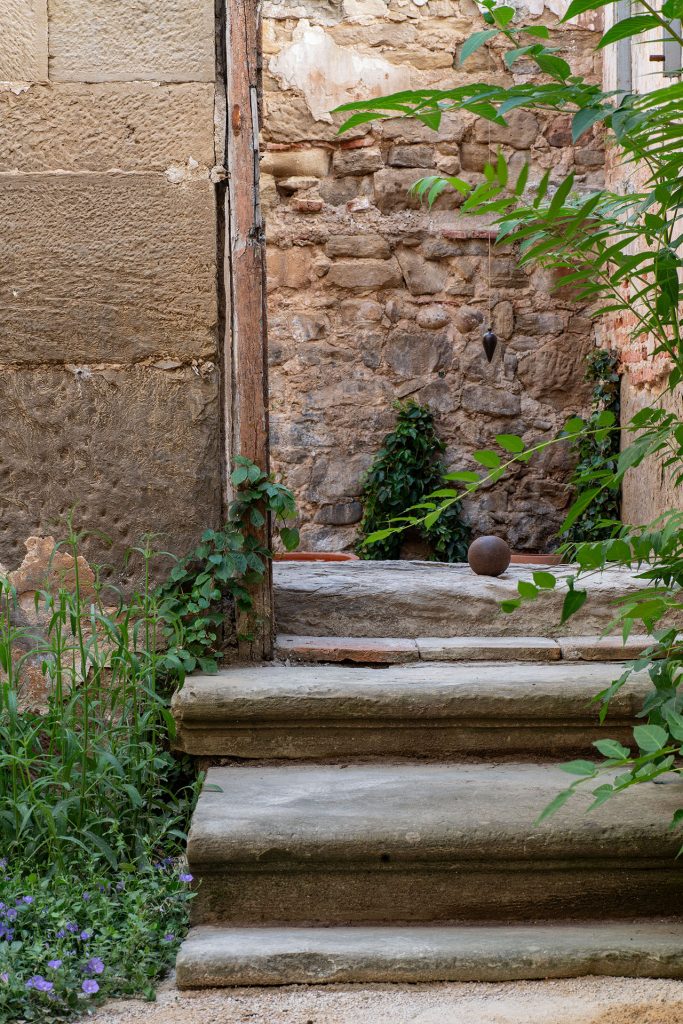
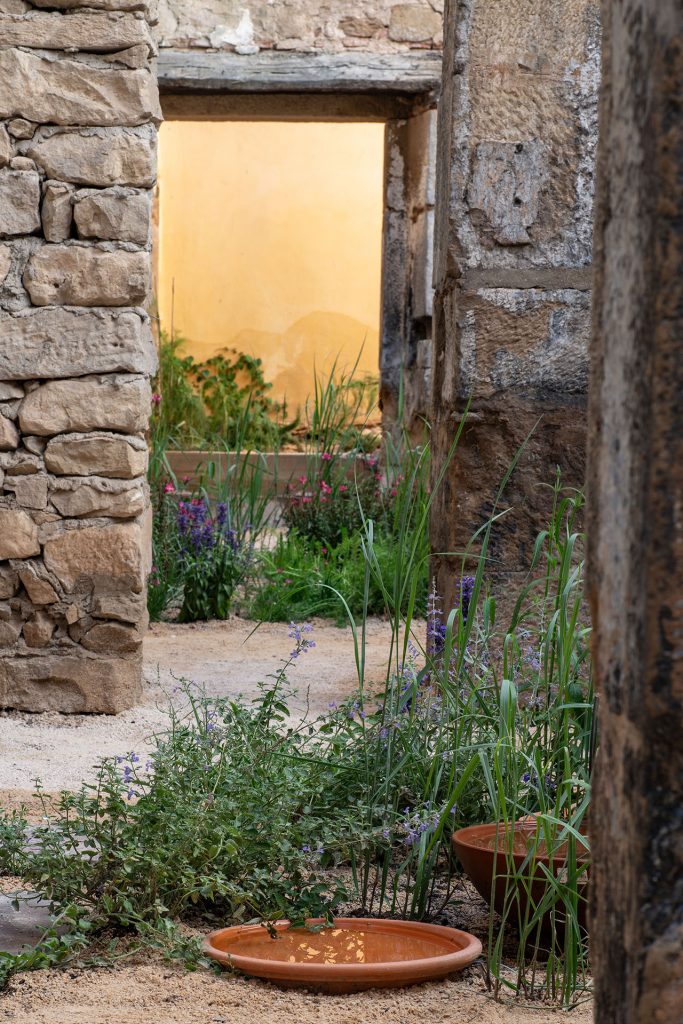
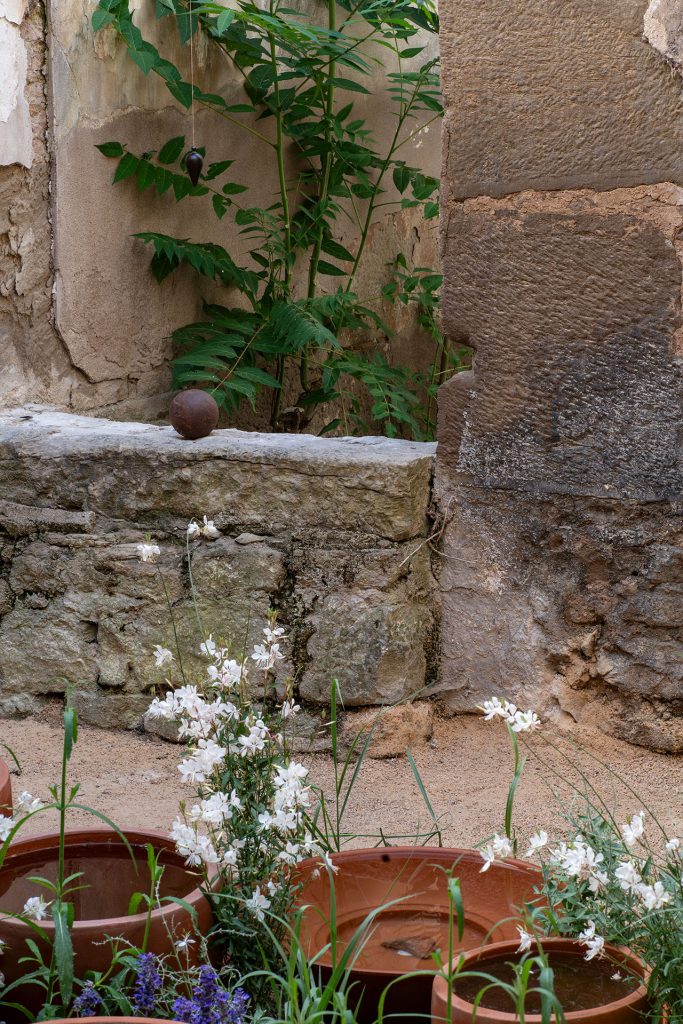
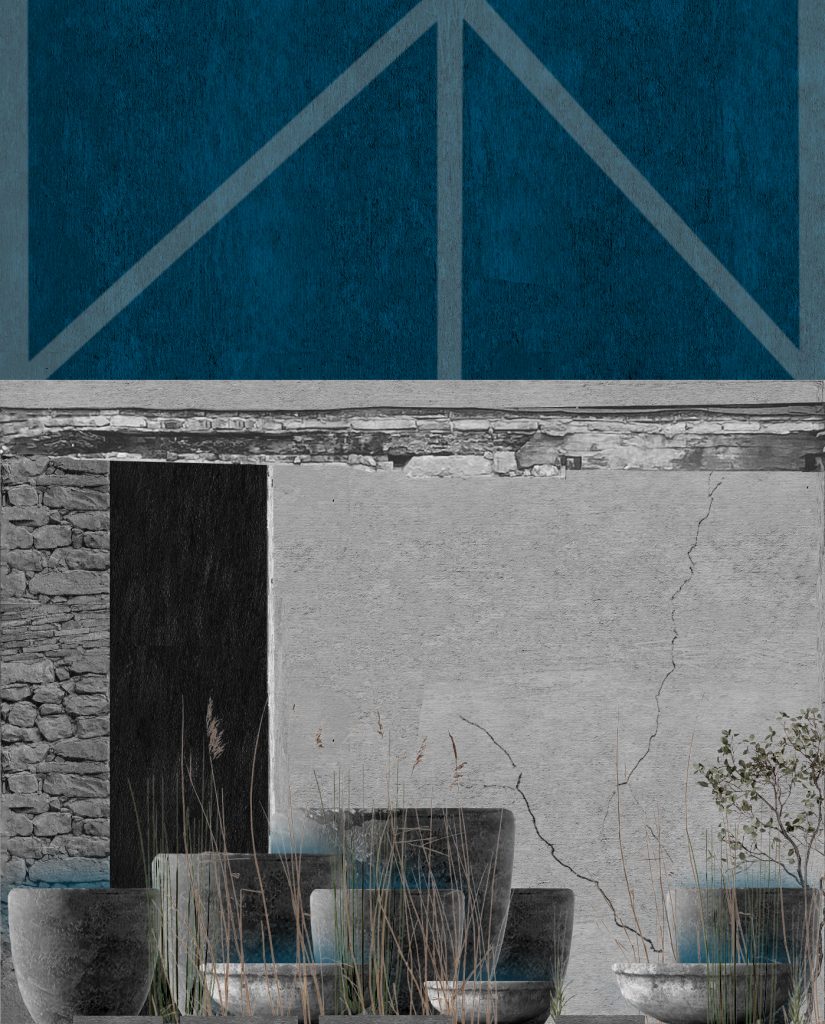
Un tercio de la vida (One Third of Life), by IC-98 and Suomi/Koivisto Architects, continues the research begun in the previous edition of the festival. The pavilion has a double function: to provide a drought-resistant garden —secret yet open— for the human and non-human residents of the historic centre, which suffers from the urban heat island phenomenon; and to act as the stage for an itinerant incubation temple that seeks to overcome political polarisation and the detachment from natural bonds through a ritual of shared sleep and dreams.
Sleeping together and talking about the dreams afterwards draws on the asklepieia of the ancient Greco-Roman world and on the revolutionary Surrealist movements of the early twentieth century, in search of new common denominators at the dark, non-dualist intersection between the individual and the collective unconscious.
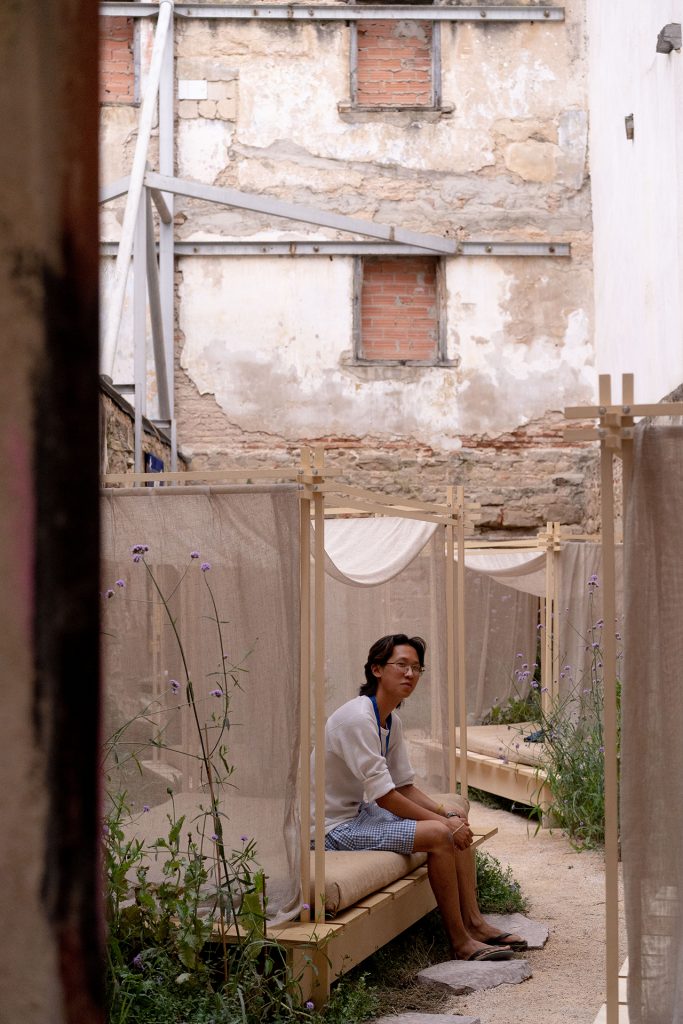
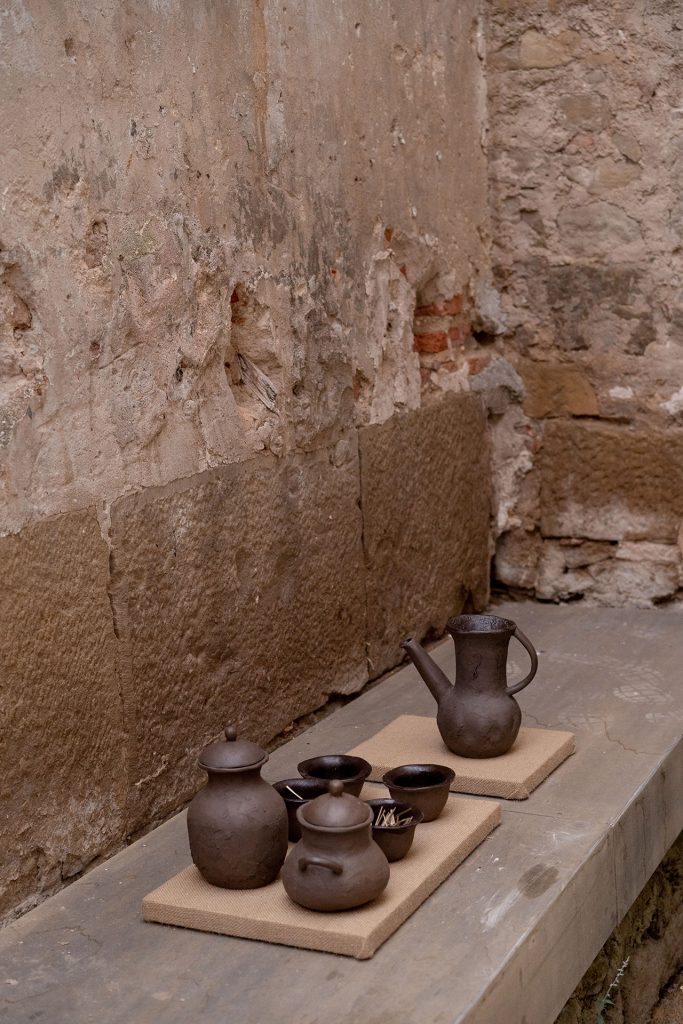
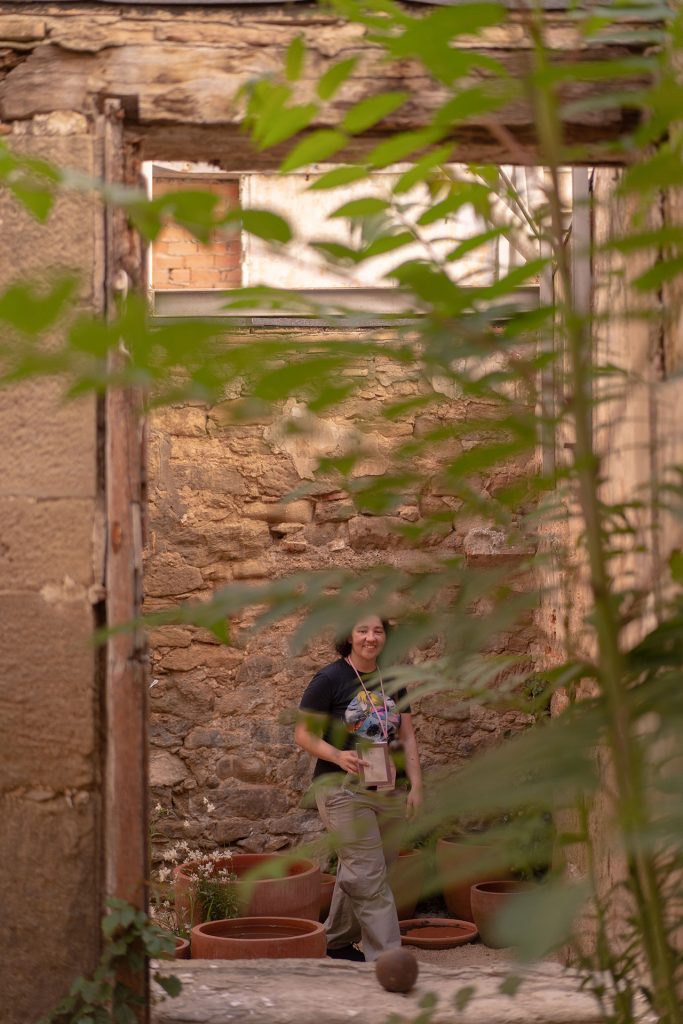
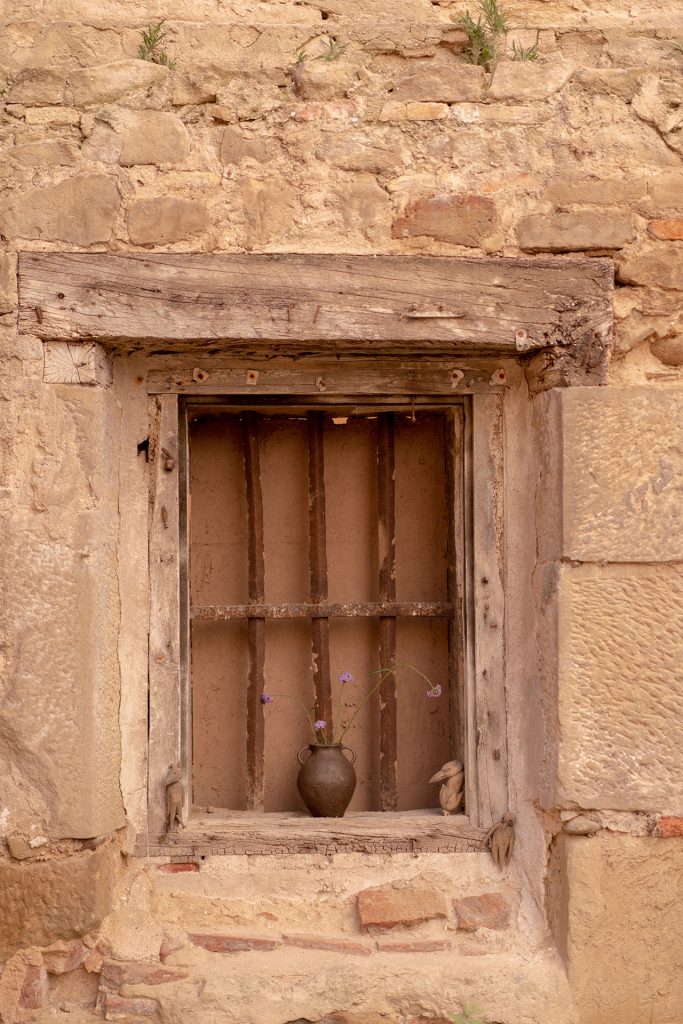
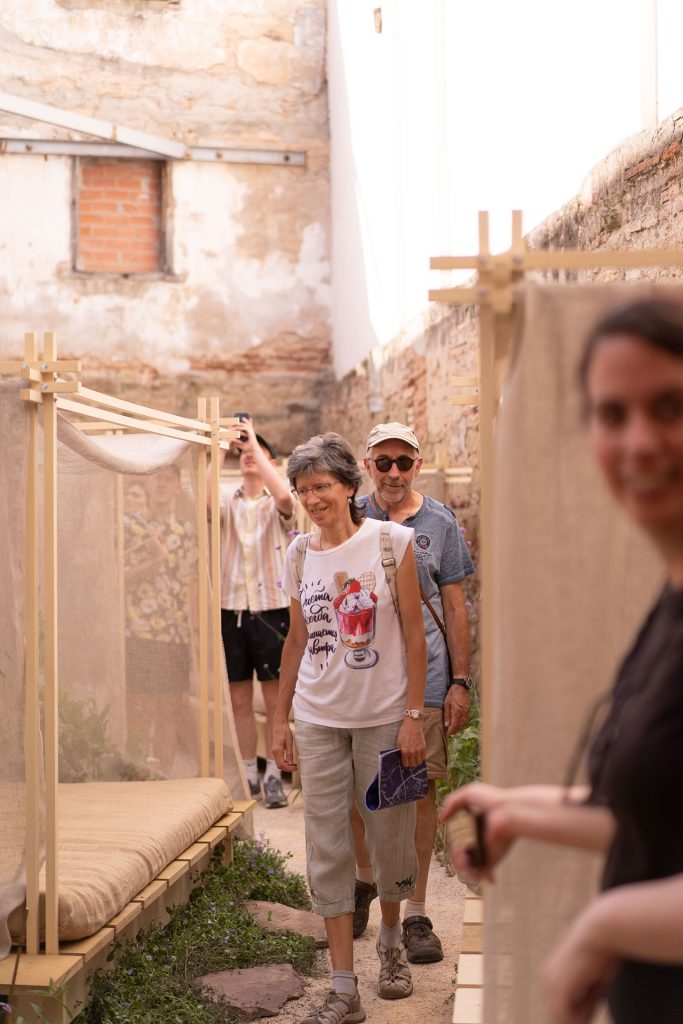
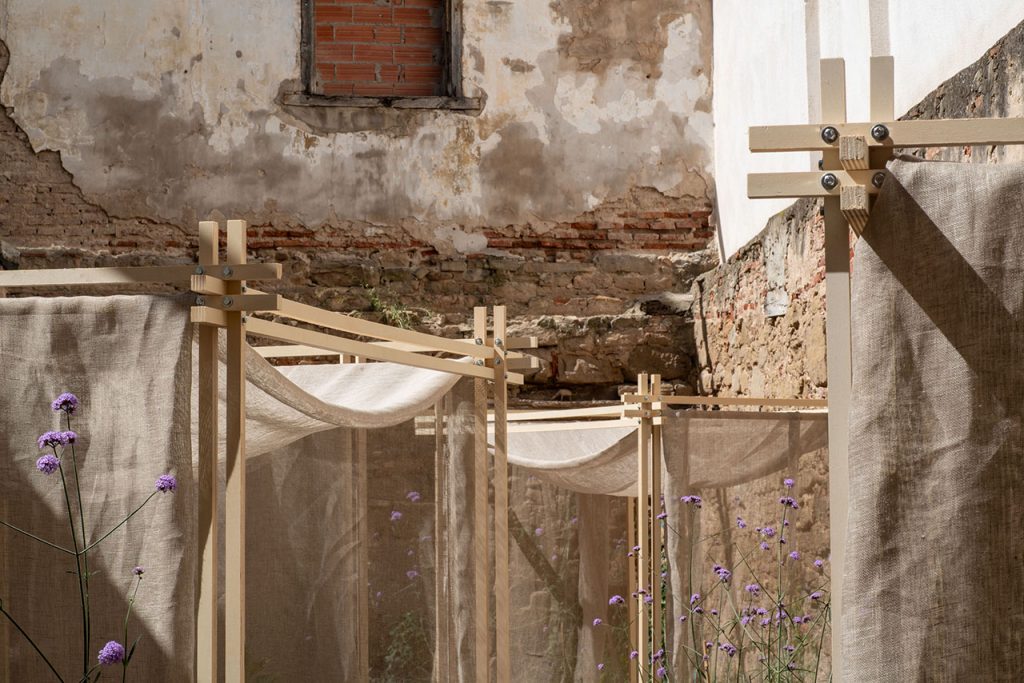
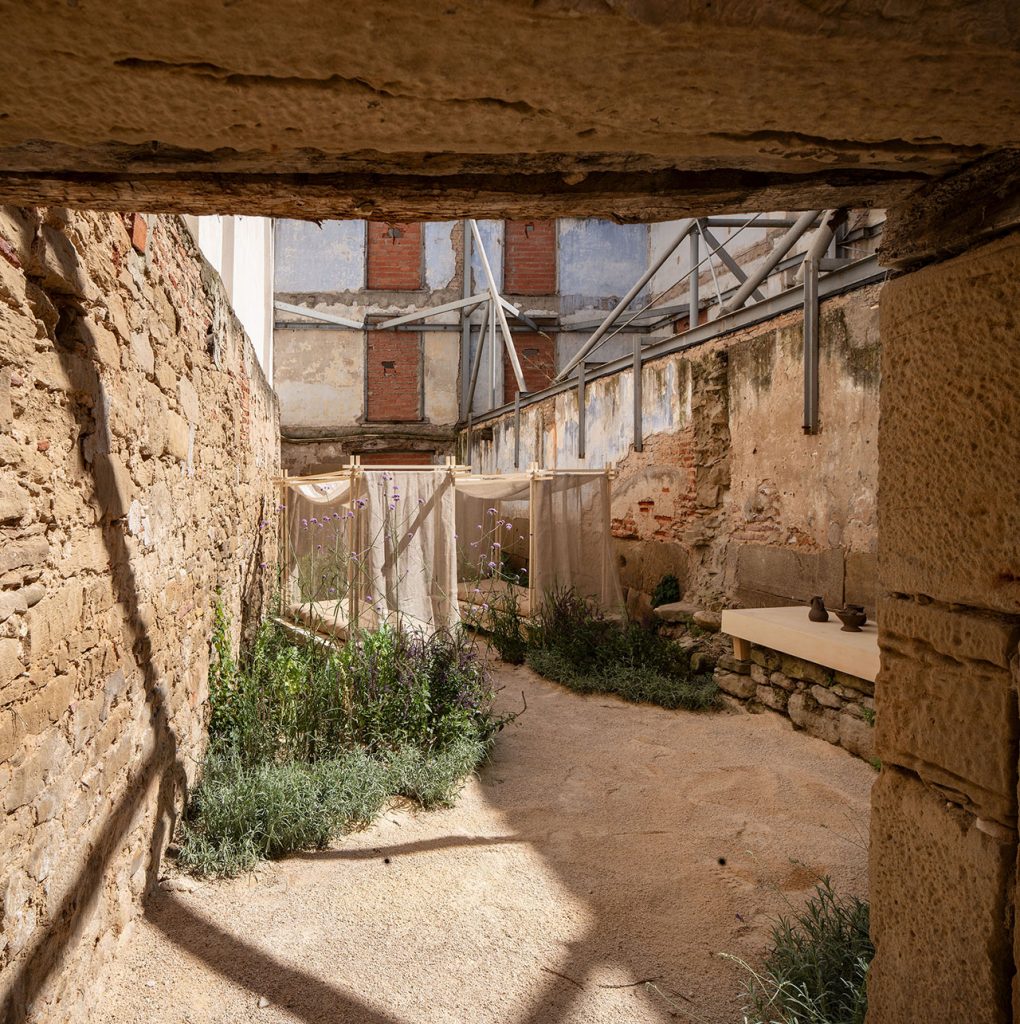
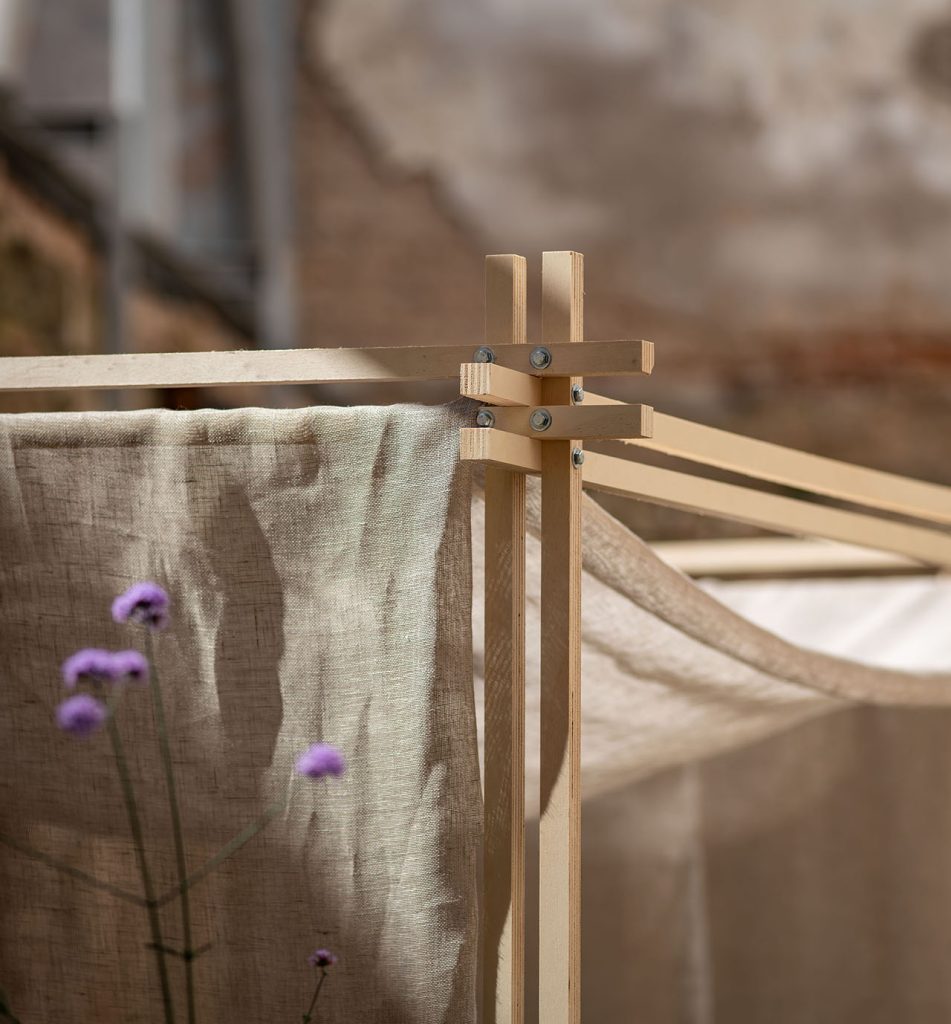
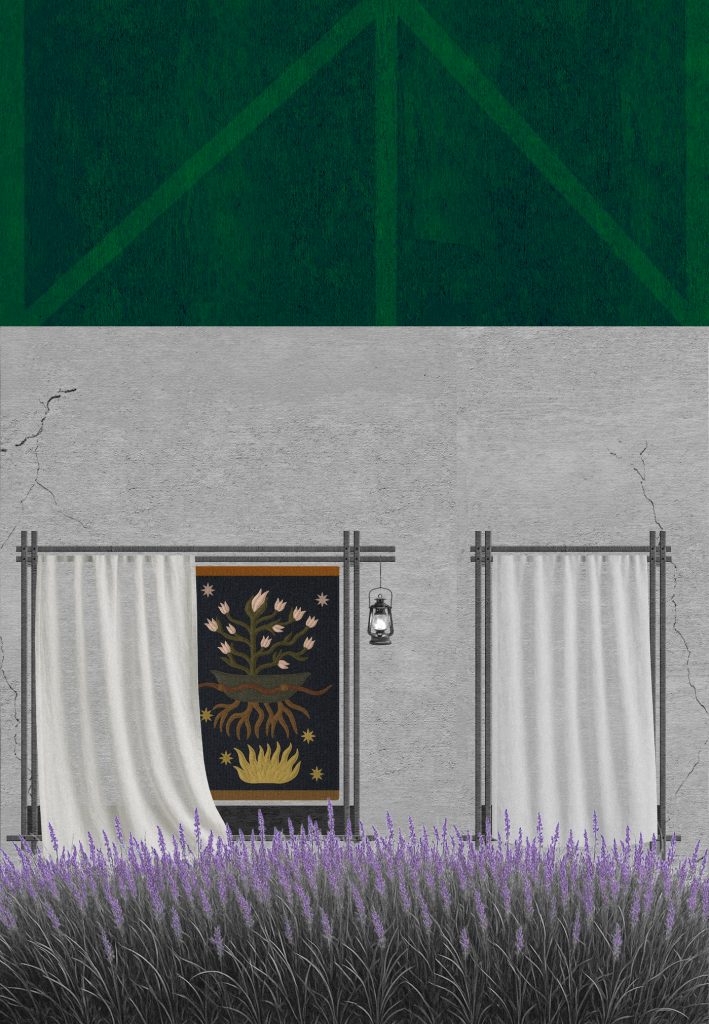
During the day, the pavilion presents this social sleep ritual through a spatial installation with all its elements: tapestries, symbolic objects, bespoke ceramics, beds and a lullaby, accompanied by a small notebook that describes the concept and serves as a guide for recreating the ritual anywhere.
One night of the festival is devoted to the sleeping and dreaming session. The ritual unfolds as a guided progression through the planted, themed rooms of a roofless ruined house: among poppies and water, meditating on the burning iron heart of the planet, feeling the connection with the Earth and the soil, thinking of the earthworm —a kind of temple god—, until reaching the collective dream chamber, filled with sleep-inducing herbs. There, after the introductions, a sowing ritual and the night tea, participants lie down and listen to the troubadour sing the lullaby. The following morning opens with a cadavre exquis —a collective drawing session— and a shared conversation about the night’s dreams.
Plant refuge and oneiric ritual thus intertwine in an architecture understood as a pedagogical, ecological and multispecies tool, imagining new forms of coexistence between people, plants and the urban climate, beyond anthropocentrism.



Suomi-Koivisto & IC-98
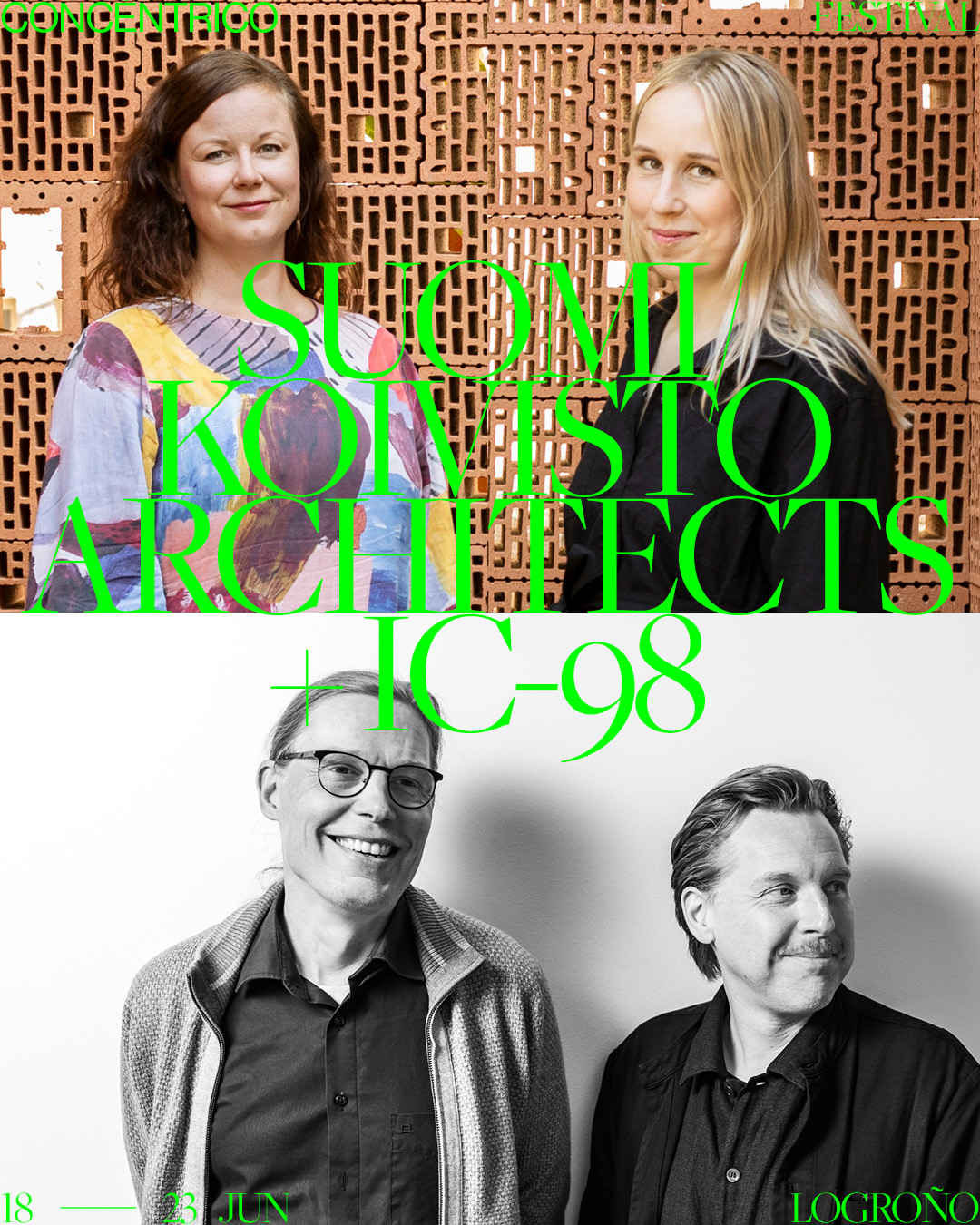
Suomi/Koivisto Architects design multisensory environments for humans and non-humans, challenging the divide between culture and nature. Notable projects include the Alusta Pavilion (2022), part of the Venice Biennale 2025, and the KKYC Youth Center in Cambodia, awarded for its ecological approach.
IC-98, the duo of Patrik Söderlund and Visa Suonpää, has worked for nearly three decades on projects blending art, moving image, and ecology. They represented Finland at the 2015 Venice Biennale and received the State Art Prize in 2009.
With the collaboration of
